If you already hold an HSBC credit card and plan an overseas purchase, a temporary markup waiver deserves a closer look. It is a different question from whether a card has a permanent zero-forex feature. Separate the limited offer from the card’s usual pricing when deciding how to pay.
The offer in plain language
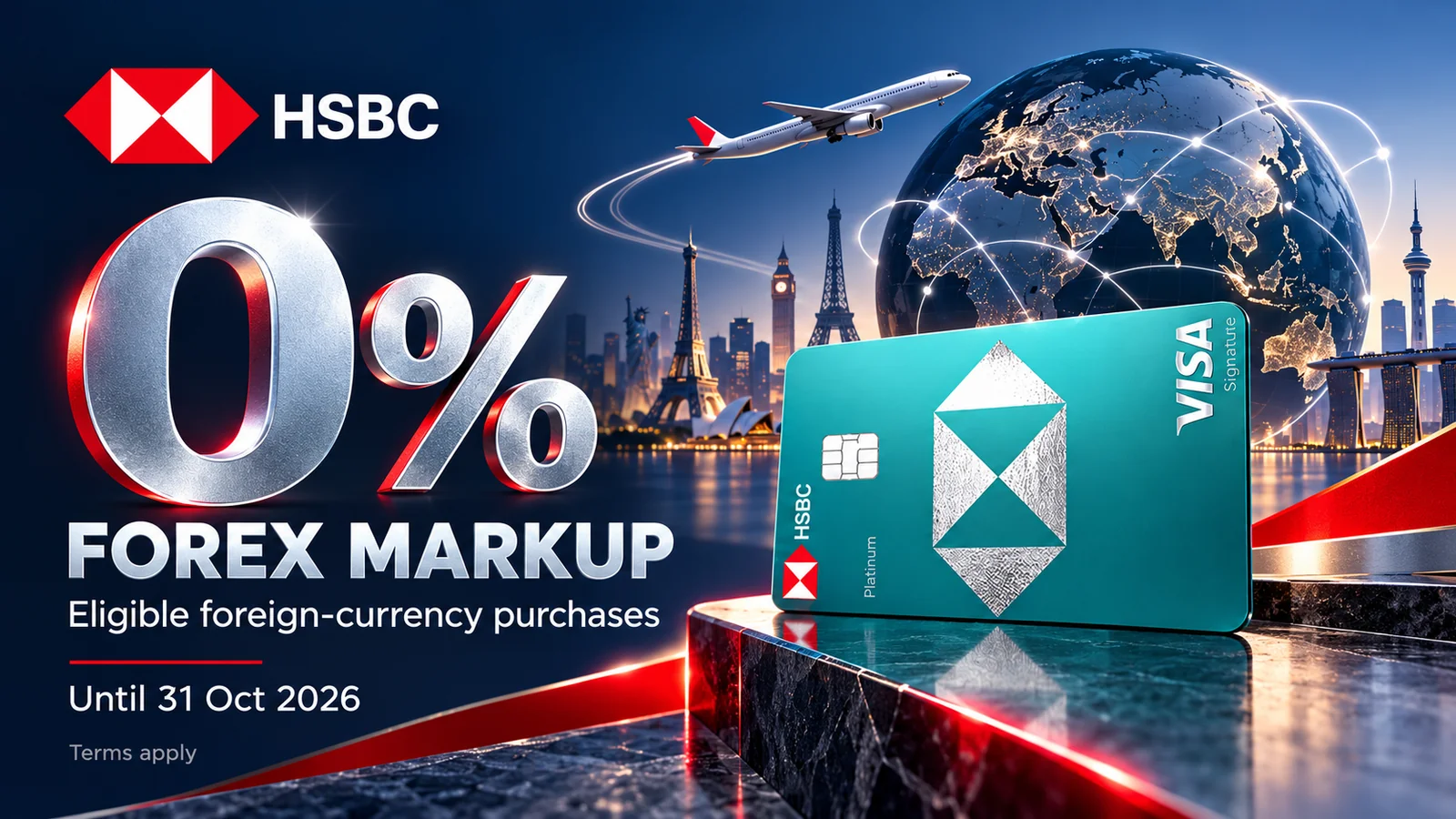
HSBC’s terms cover eligible foreign-currency purchases from 15 August through 31 October 2026. Valid personal HSBC credit cards held by existing Indian residents or NRIs are included; corporate cards are excluded. Eligible online and merchant-terminal purchases are covered, including add-on-card transactions. INR transactions, ATM withdrawals and disputed transactions do not qualify.
The date and cost details that matter
Eligibility depends on when a transaction posts in HSBC’s systems. A purchase initiated before the deadline but processed afterwards may miss the waiver. Other applicable taxes, network fees and regulatory charges are not waived by this offer. The bank’s conversion rate still determines the currency conversion. Existing card rewards remain governed by the card’s own features.
Compare the final rupee amount
Use the same foreign-currency purchase and note the full rupee cost on each payment option. Keep the currency conversion and the separate markup line distinct in your comparison. A hypothetical ₹20,000 base conversion with an additional ₹600 charge would cost ₹20,600 before any other adjustments; removing only that ₹600 would not mean every other charge also disappears. This illustration explains the method, not HSBC’s regular fee.
Plan around the deadline
For a time-sensitive purchase, leave room for processing instead of assuming the last day is enough. Keep the order confirmation and later compare it with the posted statement entry. If your priority is a permanent travel card rather than a one-off purchase, compare the card’s usual fees after the campaign finishes. The current promotion alone should not be the basis for a long-term card choice.